
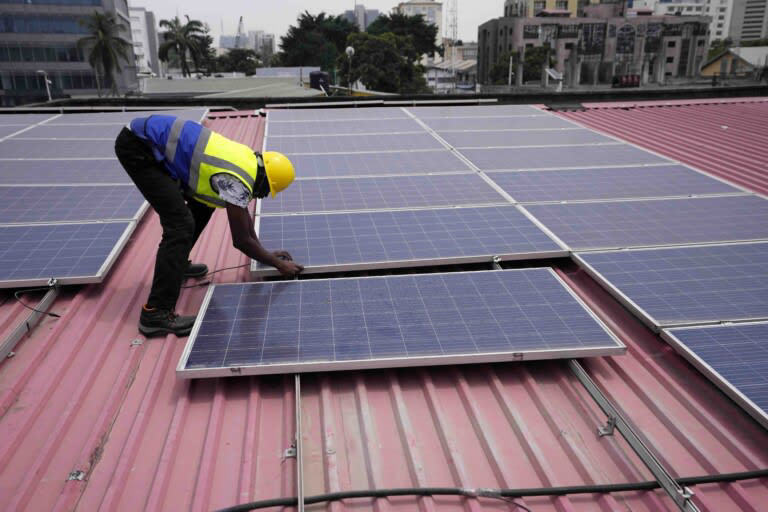
Why Proper Solar Installation Matters
Nigeria’s unreliable power grid has pushed thousands of homes and businesses to turn to solar energy. But while solar can drastically reduce electricity bills and provide 24/7 power, poor installation choices often lead to system failure, wasted money, or safety hazards.
To ensure your investment pays off, it’s crucial to avoid the most common mistakes people make when installing solar systems in Nigeria. Here are the top five errors to steer clear of—and how to get your system right the first time.
Mistake #1: Using Unqualified or Unlicensed Installers
Risks of Hiring Informal Technicians
Many Nigerians are tempted to cut costs by hiring roadside technicians or “friends of a friend.” Unfortunately, these installers often:
Use trial-and-error methods
Lack proper training or tools
Skip safety protocols
This can result in fire hazards, underperforming systems, and voided warranties.
How to Verify Installer Certifications and Experience
Always ask:
Are you REAN, SON, or SEI certified?
Can you provide pictures or contacts from past installations?
Do you offer a written warranty?
Licensed installers not only do a better job, but also offer after-sales support and system monitoring.
Mistake #2: Poor Cabling and Substandard Wiring
Effects on Safety and System Efficiency
Using low-grade cables or incorrect wire gauges can:
Cause voltage drops
Lead to system overheating
Trigger electrical fires
Signs of Bad Solar Wiring
Multiple splices and tape joints
Overheating inverter terminals
Flickering lights or frequent system trips
Use only solar-grade copper wires and ensure all connections are protected with proper casing or conduits.
Mistake #3: Wrong Panel Orientation and Angle
How Direction and Tilt Affect Energy Output
Solar panels must face the right direction and be tilted at the correct angle to capture maximum sunlight. In Nigeria:
Panels should face south for optimal exposure
Angle should be between 10°–15°, depending on your region
Best Panel Placement for Nigerian Climate
Avoid:
Installing panels flat on rooftops
Shaded locations (under trees or water tanks)
Mounting them without airflow (causes overheating)
A properly aligned panel can increase energy output by up to 25%.
Mistake #4: Underestimating Power Needs (Wrong System Size)
How to Accurately Calculate Load
List all appliances and their wattages:
TV (100W) × 5 hours = 500Wh
Fridge (200W) × 24 hours = 4800Wh
Total: 5300Wh/day or 5.3kWh/day
Add a 20% buffer for safety and growth.
What Happens When Your System is Too Small
Batteries discharge too fast
Lights and appliances trip often
Panels can’t recharge fast enough
Always size your inverter and batteries to match your peak load and usage pattern.
Mistake #5: Skipping Battery Quality and Backup Planning
Choosing Cheap Batteries vs Long-Term Value
Cheap AGM batteries may look attractive upfront but often:
Last only 2–3 years
Swell or leak in Nigeria’s heat
Die without warning
Invest in quality lithium batteries for 8–10 years of reliable backup.
The Role of Battery Storage During NEPA Failures
Solar panels don’t generate power at night. Without good battery storage, you’ll still face blackouts when the sun sets.
Always match your battery size with how long you want to stay powered during NEPA outages.
Bonus Mistakes to Watch Out For
Not Considering Future Energy Expansion
If you plan to add air conditioners, pumps, or electric cookers later, size your system with future needs in mind.
Ignoring Maintenance Requirements
Solar systems are low-maintenance, not no-maintenance. You must:
Clean panels regularly
Check battery health
Update inverter firmware if needed
Tips for a Successful Solar Installation in Nigeria
Checklist Before You Begin Installation
Load audit completed
Trusted installer hired
Roof strength checked
Budget planned for expansion
Questions to Ask Your Solar Provider
Do you offer a service contract?
Is my inverter compatible with lithium batteries?
What’s the battery backup duration?
What happens if one panel fails?
Solar Installation: FAQs for Nigerian Homes
Q1. Can I install solar myself to save costs?
DIY solar is risky and often results in poor performance. Always use a professional.
Q2. How long should a good solar system last?
Panels: 25 years, Inverter: 5–10 years, Lithium battery: 8–15 years.
Q3. What happens during rainy season?
Systems will generate less power, but with proper sizing and battery storage, you’ll still have electricity.
Q4. Do I need to change my existing wiring?
Sometimes, yes. Solar systems need correctly sized and dedicated wiring.
Q5. Can I start with a small system and upgrade later?
Yes, but plan the foundation well (inverter and wiring) for easy expansion.
Q6. Is it okay to mount solar panels on my compound ground?
Yes, but keep them tilted, well-secured, and avoid shading from fences or trees.
Get It Right the First Time with Solar
Installing a solar system in Nigeria is a smart move, but only if done right. The five mistakes covered—unqualified installers, poor wiring, wrong panel angles, system undersizing, and weak battery choices—can turn a good investment into a frustrating experience.
By taking the time to plan properly, hire certified professionals, and use quality components, you’ll enjoy reliable, clean, and cost-effective energy for years to come.
