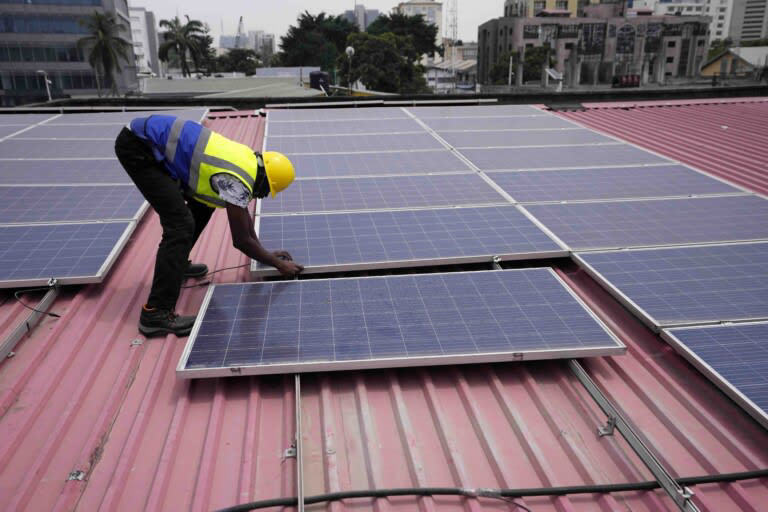
Introduction to Solar Power for Homes
In today’s energy-conscious world, installing a solar system at home isn’t just a trend—it’s a smart investment. Homeowners are increasingly turning to solar power to reduce electricity costs, gain energy independence, and contribute to a greener planet. But before making the leap, it’s vital to understand how to choose the right solar system for your home.
From calculating your energy needs to deciding between off-grid and hybrid systems, this guide will walk you through everything you need to know to make an informed decision.
Understanding Your Energy Needs
How to Calculate Your Daily Energy Consumption
Start by listing all your electrical appliances and their wattage ratings. Multiply each appliance’s power usage by the number of hours used per day to estimate daily consumption.
Example:
LED TV (100W) × 5 hours = 500Wh
Fridge (150W) × 24 hours = 3,600Wh
Total = 4,100Wh or 4.1kWh/day
Analyzing Past Electricity Bills
Another effective way is to check your past 3–6 electricity bills. Most bills state monthly consumption in kilowatt-hours (kWh). Divide that by 30 to get your daily average.
Seasonal Variations and Energy Peaks
Take into account energy spikes during hot seasons (due to air conditioning) or festive periods. Add 10–20% to your estimate to cater for such spikes.
Types of Solar Systems Explained
Grid-Tied Systems
These are connected to the public utility grid. They’re best for areas with stable electricity and lower upfront costs but go off when the grid is down.
Off-Grid Systems
Completely independent of the utility grid, ideal for remote areas or places with erratic power supply. They require more storage capacity (batteries).
Hybrid Systems
Combines both grid and battery storage. Offers flexibility and backup during outages—perfect for Nigerian cities experiencing frequent blackouts.
Choosing Between Off-Grid and Hybrid Systems
Key Differences
Off-grid: Full energy independence, high battery reliance.
Hybrid: Partial independence, can switch between grid and battery.
Pros and Cons
| System Type | Pros | Cons |
|---|---|---|
| Off-Grid | Energy autonomy | Expensive batteries |
| Hybrid | Backup during outages | Higher setup cost than grid-tied |
Planning for Future Energy Expansion
Factoring in Appliance Additions
Are you planning to add an air conditioner, borehole pump, or electric oven soon? Include these in your energy forecast.
Electric Vehicle (EV) Charging Readiness
With Nigeria slowly embracing electric vehicles, consider installing a system that can accommodate EV charging later.
Components of a Complete Solar Power System
Solar Panels
They capture sunlight and convert it into electricity. Choose high-efficiency panels for limited roof space.
Inverters
Convert DC power from panels to AC power for home use. Must be appropriately sized based on load.
Batteries (Lithium vs AGM)
Lithium batteries are more durable and compact, but expensive. AGM batteries are cheaper but need regular maintenance and replacement.
Charge Controllers
Regulate the voltage from the solar panels to prevent battery overcharging. MPPT controllers are more efficient than PWM types.
Sizing Your Solar System Correctly
Calculating Panel Requirements
Use your daily energy needs (in kWh) and divide by average daily sun hours (typically 4–5 in Nigeria).
Example:
4.1kWh ÷ 5 sun hours = ~820W solar panel needed (round up to 1000W for buffer).
Inverter and Battery Sizing Guide
Inverter: Total wattage of all devices you want to run at once + 20%
Battery: Multiply daily usage by number of backup days (usually 1.5–2 days) and convert to Ah
Budgeting and Cost Estimation
Price Ranges for Basic vs Advanced Setups
| System Size | Estimated Cost (₦) |
|---|---|
| Small (1kVA) | ₦500,000 – ₦800,000 |
| Medium (3kVA) | ₦1.2M – ₦2M |
| Large (5kVA+) | ₦2.5M – ₦5M+ |
Common Mistakes to Avoid During Selection
Overestimating or Underestimating System Size
Misjudging your power needs leads to overload or underutilization. Always consult a professional for load analysis.
Not Factoring in Weather Conditions
Regions with more cloud cover require more panels or hybrid backups to maintain supply.
How to Vet and Choose a Reliable Installer
Questions to Ask Before Hiring
Are you certified by relevant energy boards?
Can you provide local references?
What warranty do you offer?
Importance of Certifications and Reviews
Check for certifications like REAN (Renewable Energy Association of Nigeria) or SEI certifications. Online reviews are also critical.
Maintenance Requirements and Longevity
Routine Checks for Panels and Inverters
Clean solar panels every few months and inspect for dirt, debris, or damage. Inverters should be checked annually for performance issues.
Battery Lifespan Considerations
Lithium batteries can last 10+ years; AGM usually 3–5 years. Regular maintenance extends lifespan.
Environmental and Financial Impact of Solar
Carbon Footprint Reduction
Solar energy reduces reliance on fossil fuels, cutting down your home’s carbon emissions.
Long-Term Cost Savings
Though initial costs are high, solar saves thousands annually in electricity bills.
FAQs About Choosing a Home Solar System
Q1. How much solar power do I need to run a 3-bedroom home in Nigeria?
A 3kVA–5kVA hybrid system is typically sufficient for basic appliances and fans.
Q2. Can I run an air conditioner on solar power?
Yes, but you need to size your inverter and batteries accordingly.
Q3. How long do solar panels last?
Most last 25–30 years with proper maintenance.
Q4. What is the best battery type for Nigerian homes?
Lithium batteries are best for longevity, though AGM batteries are more budget-friendly.
Q5. Is solar a good investment in Nigeria?
Absolutely. With rising power costs and frequent outages, solar pays off in the long run.
Q6. Can I expand my solar system later?
Yes. Plan your initial design to allow for easy expansion.
Making the Smart Solar Choice
Choosing the right solar system for your home involves more than just picking panels—it’s about understanding your needs, future-proofing your energy, and working with trusted professionals. Whether you opt for an off-grid or hybrid setup, solar power can transform your energy life while helping the planet.